Top Strategies for Integrating Sustainable Business Practices in Indonesia Corporate Culture
English
October 4, 2024by Falaa Hurala

Top Strategies for Integrating Sustainable Business Practices in Indonesia Corporate Culture

In recent years, sustainable business practices have gained significant traction globally, with Indonesia emerging as a key player in this arena. As the largest economy in Southeast Asia, Indonesia has committed to achieving net-zero emissions by 206.

In recent years, sustainable business practices have gained significant traction globally, with Indonesia emerging as a key player in this arena. As the largest economy in Southeast Asia, Indonesia has committed to achieving net-zero emissions by 2060, making sustainability a top priority for businesses operating within the country​. This article explores effective strategies for integrating sustainable business practices into corporate culture, specifically focusing on the Indonesian market, and provides insights into how companies can contribute to a greener, more sustainable future. [ez-toc]

Understanding Sustainable Business Practices in Indonesia

Defining Sustainable Business Practices

Sustainable business practices refer to the adoption of strategies that promote economic growth while minimizing environmental impact and supporting social well-being. These practices encompass areas such as energy efficiency, waste reduction, and the use of renewable resources, ensuring long-term viability for businesses and the environment. In Indonesia, sustainability is increasingly being driven by the government’s decarbonization policies and initiatives like green industrial estates

Current State of Corporate Sustainability in Indonesia

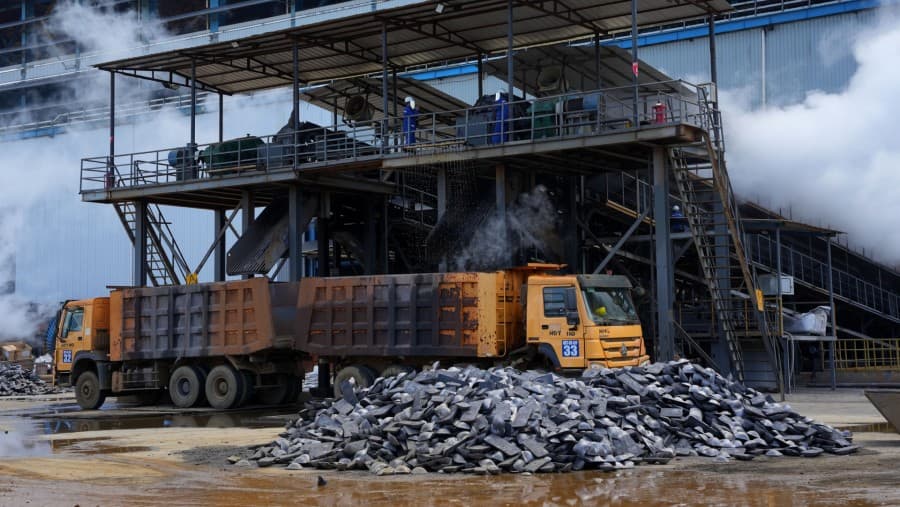
Indonesia has set ambitious targets to transform its economy through sustainable initiatives. The government is actively promoting green industrial estates, such as the Kalimantan Industrial Park, which is set to become the world’s largest green industrial hub. These initiatives align with the country’s goal to increase the share of renewable energy in its energy mix to 17–19% by 2025​. Moreover, corporate players are also making strides in sustainability, implementing policies that align with global standards.

Benefits of Adopting Sustainable Business Practices

Environmental and Social Benefits

Adopting sustainable business practices yields significant environmental and social benefits, including:
  • Reduced Carbon Emissions: Implementation of energy-efficient technologies and renewable energy sources helps reduce greenhouse gas emissions.
  • Biodiversity Support: Companies can contribute to conserving biodiversity through responsible sourcing and sustainable land management practices.
  • Community Engagement: Businesses that invest in local communities, like those that support reforestation and clean energy projects, enhance social well-being.

Business and Financial Advantages

  • Enhanced Reputation and Brand Value: Companies that prioritize sustainability often enjoy an enhanced reputation, attracting more customers and partners who value corporate responsibility.
  • Access to Green Financing: Businesses that integrate sustainable practices are more likely to access green financing options such as sustainability-linked loans and green.
  • Operational Efficiency: Sustainable practices such as resource efficiency and waste reduction can significantly lower operational costs, leading to higher profitability.

Top Strategies for Implementing Sustainable Business Practices

1. Establishing Green Industrial Hubs

Green industrial hubs, like the Kalimantan Industrial Park, are key to driving sustainable practices in Indonesia. These hubs enable companies to leverage shared resources, such as renewable energy, smart grids, and waste management systems. They also provide a platform for cross-sector collaboration and innovation​. By establishing operations in these hubs, businesses can reduce their environmental impact while benefiting from economies of scale.

2. Leveraging Renewable Energy Resources

Indonesia’s rich reserves of renewable resources, such as geothermal and solar energy, present an opportunity for businesses to integrate clean energy solutions. Companies can invest in renewable energy projects or participate in government-led initiatives to support the transition to a low-carbon economy. Leveraging these resources can help companies meet sustainability goals while reducing dependence on fossil fuels.

3. Sustainable Supply Chain Management

Implementing sustainable practices across the supply chain is crucial for reducing environmental impact. Leading companies in Indonesia are already taking action by adopting zero-waste-to-landfill strategies, increasing the use of recycled materials, and optimizing logistics to reduce emissions​. For example, some firms are collaborating with suppliers to ensure that raw materials are sourced responsibly and that production processes are environmentally friendly.

4. Engaging in Public-Private Partnerships

Public-private partnerships (PPPs) are instrumental in driving large-scale sustainability projects in Indonesia. These partnerships facilitate the sharing of risks, resources, and expertise between the government and private sector, enabling businesses to undertake sustainable initiatives that would be challenging to implement independently.  Companies can collaborate with government agencies and international organizations to participate in green projects, such as the development of sustainable industrial clusters and clean energy infrastructure.

5. Developing Green Financing Mechanisms

Access to green financing is essential for supporting sustainability projects. Indonesia has developed various green financial instruments, such as green bonds and sustainability-linked loans, to encourage businesses to invest in sustainable development​. By utilizing these financing options, companies can fund their sustainability initiatives while aligning with national and international environmental goals.

Overcoming Challenges and Maximizing Opportunities

Challenges Faced by Indonesian Companies

Despite the opportunities, businesses in Indonesia face several challenges in integrating sustainable practices:
  • Regulatory and Compliance Issues: Navigating complex regulations and ensuring compliance can be challenging for companies new to sustainability.
  • High Initial Costs: Investing in sustainable technologies and practices often requires significant upfront costs.
  • Lack of Infrastructure: Limited availability of green infrastructure, such as renewable energy grids and sustainable waste management facilities, poses a barrier to widespread adoption.

Opportunities for Growth and Innovation

To overcome these challenges, businesses can explore new growth opportunities by:
  • Investing in Sustainable Technologies: Developing and implementing new technologies, such as carbon capture and utilization systems, can open new markets and revenue streams.
  • Participating in Collaborative Initiatives: Engaging in collaborative projects with other companies and stakeholders can facilitate knowledge sharing and innovation.

FAQs

  1. What are the benefits of adopting sustainable business practices in Indonesia?

    • Sustainable business practices help companies reduce environmental impact, improve brand reputation, and access green financing.
  2. How can companies in Indonesia start integrating sustainability into their operations?

    • Companies can begin by assessing their current operations, setting sustainability targets, and implementing energy-efficient technologies.
  3. What are some successful examples of sustainable business initiatives in Indonesia?

    • Examples include the establishment of green industrial hubs and corporate efforts to reduce waste and emissions through supply chain optimization.
  4. What role do green industrial estates play in Indonesia’s sustainability strategy?

    • Green industrial estates serve as innovation hubs for companies, offering shared infrastructure and resources to support sustainable practices.
  5. How is Indonesia financing its transition to a sustainable economy?

    • Indonesia utilizes green bonds, sustainability-linked loans, and public-private partnerships to fund its sustainability projects and support the green economy.

Conclusion

Integrating sustainable business practices is not only beneficial for the environment and society but also essential for long-term corporate success. In Indonesia, where the government and private sector are actively working towards decarbonization, businesses have a unique opportunity to lead the way in sustainable development. By adopting strategies such as establishing green industrial hubs, leveraging renewable resources, and engaging in public-private partnerships, companies can position themselves as leaders in sustainability, driving positive change and contributing to a greener future for the country. At CPT Corporate, we believe that integrating sustainable business practices is the key to long-term growth and environmental stewardship. By adopting innovative strategies such as leveraging renewable energy, participating in green industrial hubs, and engaging in public-private partnerships, your business can achieve greater efficiency and contribute positively to Indonesia’s sustainable future. Let CPT Corporate guide you through this transformation with our expertise in implementing sustainability-driven solutions tailored for the Indonesian market. Contact us today to discover how we can help your business become a leader in sustainability and drive meaningful impact!

Related Posts

Why a Deed of Establishment (Akta Pendirian) Is Critical for Company Registration in Indonesia
English
April 14, 2026

Why a Deed of Establishment (Akta Pendirian) Is Critical for Company Registration in Indonesia

Starting a business in Indonesia involves several legal steps, but one document sits at the very foundation of the entire process: the Deed of Establishment (Akta Pendirian) . Without it, a company cannot legally exist as a corporate entity under Ind...

Read More
Why Environmental Approval (UKL-UPL or AMDAL) May Be Required Before Obtaining Operational Licenses?
English
April 12, 2026

Why Environmental Approval (UKL-UPL or AMDAL) May Be Required Before Obtaining Operational Licenses?

Indonesia has made significant progress in simplifying its investment climate through the risk-based business licensing system and the Online Single Submission (OSS) platform. While the system reduces bureaucracy for many sectors, certain regulatory ...

Read More
When Do You Need a Nominee Director for Your Company?
English
April 7, 2026

When Do You Need a Nominee Director for Your Company?

Expanding a business across borders comes with exciting opportunities—but also complex regulatory requirements. One concept that frequently appears in international business structuring is the Nominee Director . While often misunderstood, a nominee d...

Read More

Schedule a Free Consultation!

Tell us about your plan and our consultants will reach out to you to assist with your needs.

Book Free Consultation
WhatsApp