E-Commerce and Marketplace in Indonesia: Requirements to Do the Business
The e-commerce and marketplace essentially conduct buying and selling products and services online or electronically. E-commerce is a retail online meanwhile marketplace is a platform between the seller and buyer to do transaction electronically. Acc.
The e-commerce and marketplace essentially conduct buying and selling products and services online or electronically. E-commerce is a retail online meanwhile marketplace is a platform between the seller and buyer to do transaction electronically. According to Indonesian regulatory, the e-commerce and marketplace are called as PPMSE (Trade Operators Through Electronic Systems).
From the regulatory framework, the scope of PPMSE are all parties who provide Electronic System Services and/or facilities to enable a transaction of electronic trading business activities to be carried out. The business practitioner provides its services by providing an application system to be used as an Electronic Communication to facilitate Trading business activities covering various business models, including to the e-commerce and marketplace.
There are key differences between e-commerce and marketplace in terms of business model which are elaborated below:
Key Items
E-Commerce
Marketplace
Business Model
Retail online in which the seller and buyers do the transaction directly without any intermediary
Digital platform as the intermediary between the sellers and buyers to conduct the transaction electronically or online.
Stock of the Product
Have products stock or they may hold the brand
Does not have stock or even the products or the brands. The stock of products and the brands belong to the owner of the trader
Example
Online shop, Zalora, Berrybenka, etc
Tokopedia, Shopee, etc
KBLI
Depending on the products
Depending on the business
REQUIREMENTS TO DO THE BUSINESS BASED ON INDONESIAN REGULATORY FRAMEWORK
In certain aspects, the business practitioner who provides e-commerce and marketplace need to meet the requirements as below:
minimum general requirements
has a valid business license through Online Single Submission (OSS);
technical license
Tax ID
business code of conduct
standardization of goods/service products
carry out the business in accordance with the laws and regulations in Indonesia, and reject the traders who do not meet the requirements as set out in the laws and regulations in Indonesia
data protection. Store data and information on electronic activities, including data and information related to customers, offers, confirmations (including payment confirmations), delivery status, complaints and disputes, electronic contracts, and types of goods/services traded. Such data and information must be stored for a minimum period of 10 years (for data and information related to financial transactions) or at least 5 years (for data and information not related to financial transactions).
consumer protection. The business practitioners are required to provide complaint services for consumers, which at least include the following:
Address and contact number that can be used to submit complaints;
Procedures that can be taken by consumers to submit complaints;
Complaint follow-up mechanism;
Provision of competent officers in processing complaint services; and
Complaint settlement period.
Business practitioners of e-commerce or marketplace that domiciled abroad (outside of Indonesia) and meet minimum requirements shall appoint a representative in Indonesia and therefore establish a representative office in Indonesia. For more explanation, please click link below.
Disclaimer:
This article is for informational purpose only and does not constitute any legal advice. If you have any questions on setting up the business or get regulatory advice from us, please submit your inquiry below.
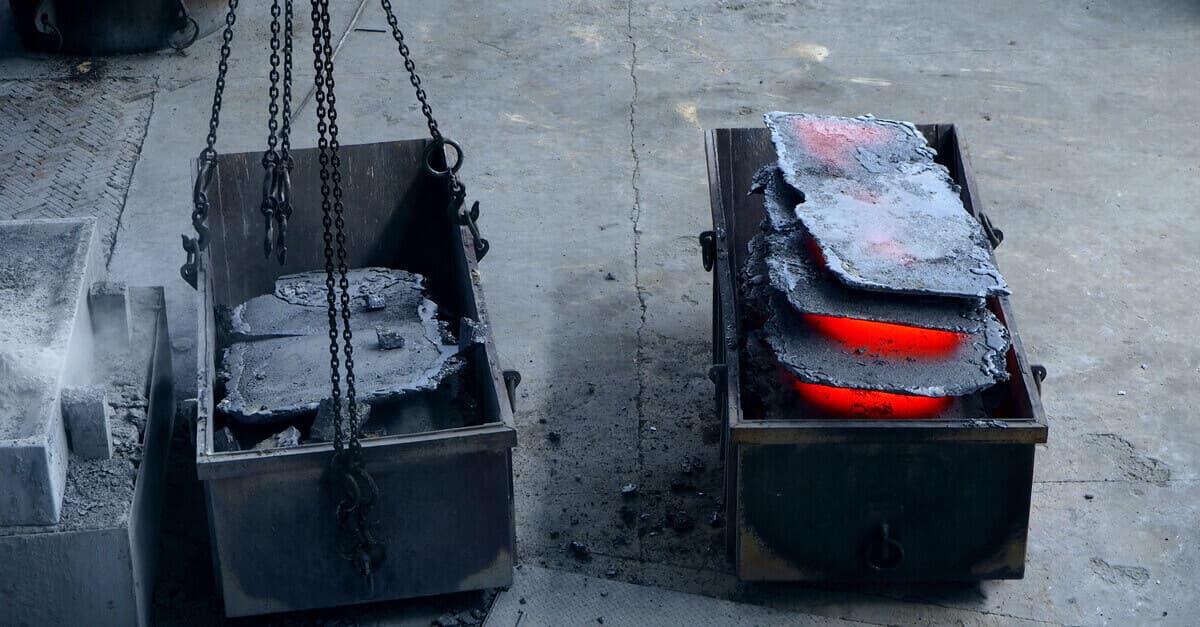
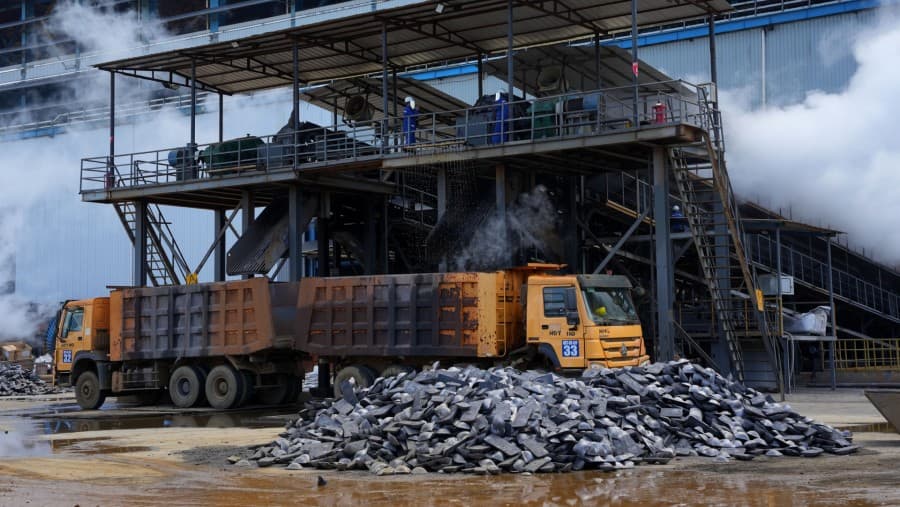
Mandatory Export of Ferro Alloys Through PT DSI from 2027: What Is the Impact on Businesses?
Starting 1 January 2027, exports of ferro alloys can only be carried out through PT Danantara Sumberdaya Indonesia (PT DSI). Ahead of that deadline, the Ministry of Trade is evaluating whether the infrastructure, implementing regulations, and business actors are ready.
Ekspor Paduan Besi Wajib Lewat PT DSI Mulai 2027: Apa Dampaknya bagi Pelaku Usaha?
Mulai 1 Januari 2027, ekspor paduan besi (ferro alloy) hanya bisa dilakukan melalui PT Danantara Sumberdaya Indonesia (PT DSI). Menjelang tenggat itu, Kementerian Perdagangan (Kemendag) tengah mengevaluasi apakah infrastruktur, regulasi turunan, dan pelaku usaha sudah siap.
Importing Halal Products into Indonesia: What You Need to Know About the LPPH
Starting 9 September 2026, all imported products subject to mandatory halal certification, from food and beverages to cosmetics, chemical, and biological products, can no longer enter Indonesia directly on the strength of a foreign halal certificate alone.
 Client Login

 Share on facebook
 Share on X