Indonesia is a busy country of trading activities. Every day, countless goods are imported and exported. It makes this country a vital player in the world trade scene. But the Indonesian government doesn't just let anything and everything pass throug.
Indonesia is a busy country of trading activities. Every day, countless goods are imported and exported. It makes this country a vital player in the world trade scene. But the Indonesian government doesn't just let anything and everything pass through its borders. There are rules to follow.
Goods are divided into three categories:
- Ones that can be freely traded.
- Ones that need special permission.
- Ones that can not be traded at all.
The Ministry of Trade in Indonesia laid down a rule in 2021 (MoT 18/2021), updated in 2022, to make clear what items are considered prohibited goods for import and export. If a good doesn't feature on this blacklist, it's generally safe to trade - either freely or with some restrictions.
List of Prohibited Import Goods
This is a list of prohibited goods you can't bring into the country.
- Certain types of sugar
- Certain types of rice
- Materials destructive to the ozone layer
- Used bags, used sacks, and used clothes
- Cooling system goods using chlorofluorocarbons (CFCs) and hydrochlorofluorocarbon 22 (HCFC-22), whether in an empty or filled state
- Specific medicinal ingredients and certain foods
- Hazardous and toxic materials (B3)
- Material waste, hazardous and toxic waste (B3 waste), and registered non-hazardous and non-toxic waste materials (non-B3 waste)
- Hand tools (finished form)
- Medical devices containing mercury
These rules are in place to protect the local industry, the environment, and most importantly, the health and safety of the Indonesian people.
List of Prohibited Export Goods
Likewise, this is a list of prohibited goods you can't freely send out of Indonesia.
- Forestry products
- Agricultural products
- Subsidized fertilizers
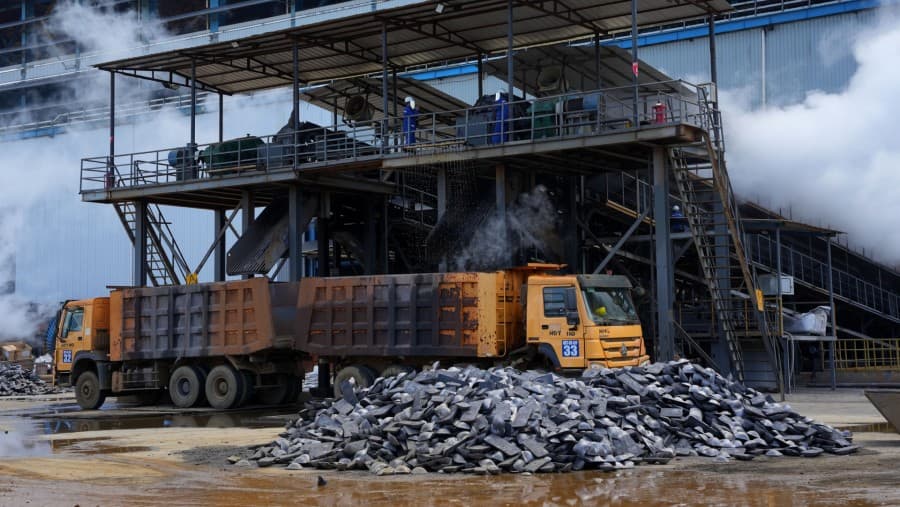
- Mined goods
- Cultural artifacts or heritage items
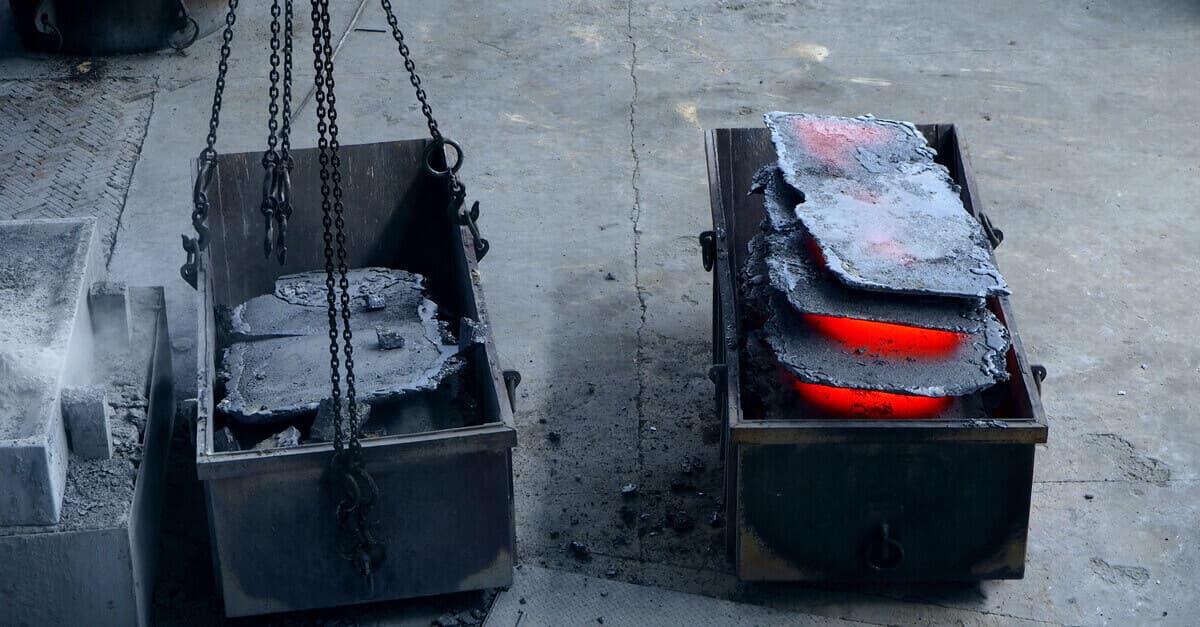
- Metal waste and scrap
These rules serve to protect Indonesia's rich natural resources, its unique cultural heritage, and the economy as a whole.
Getting these things right can save you a lot of time and trouble. It can help you avoid costly delays, fines, and other issues that can pop up if you're not careful.
But how do you find out if your goods are banned? Don't worry, it's quite simple. You can download the details of the prohibited goods, including the HS Code and its description, from the link below.
Download Import-Export Goods Regulation PDFIf you are not sure whether your items are among the prohibited goods or not, don't hesitate to reach out to a professional consultant like us, CPT Corporate. We can guide you through the whole process and answer all your queries.
Tips for Import-Export Compliance in Indonesia
Trading with Indonesia isn't just about what you can and can't trade. It's also about knowing the ins and outs of the entire process.
Here are some essential steps and considerations to keep in mind when navigating the import and export regulations in Indonesia:
- Check the official website of the Indonesian government for import-export regulations updates. Particularly, the Ministry of Trade website.
- Consider hiring a local consultant, like CPT Corporate, who can provide guidance on navigating the import-export regulations in Indonesia.
- Be sure about the category your goods belong to.
- Learn about the applicable duties and taxes
- Ensure that you have all the necessary international shipping documentation. This includes a pro-forma invoice, commercial invoice, certificate of origin, bill of lading, packing list, and insurance certificate.
- Obtain an import license and importer identification number.
- Apply for a special permit for importing without API to the Indonesia Ministry of Trade if you intend to import without an import license.
- Check the approval status of the producing establishment to export to Indonesia.
Following the rules is not just about avoiding trouble. It also helps your business succeed. If you don't follow the rules, you could face legal problems or damage your business's reputation. Companies that break these rules often lose money and face legal penalties.
Getting your head around the rules for trading in Indonesia is essential. It keeps your business above board, but also contributes to the Indonesian economy's stability and growth. So if you're ever in doubt, don't gamble - ask a professional consultant for advice.
If you are not sure whether your goods are prohibited or not, you can consult with us to determine if these items meet the criteria outlined in the regulations. You can contact us via WhatsApp, email, or by filling out the form on our website to seek guidance from our professional consultants.
 Client Login
 Share on facebook
 Share on X